How to perform a roof leak inspection at home
Discover effective methods for performing a roof leak inspection at home, specifically designed for Katy homeowners.
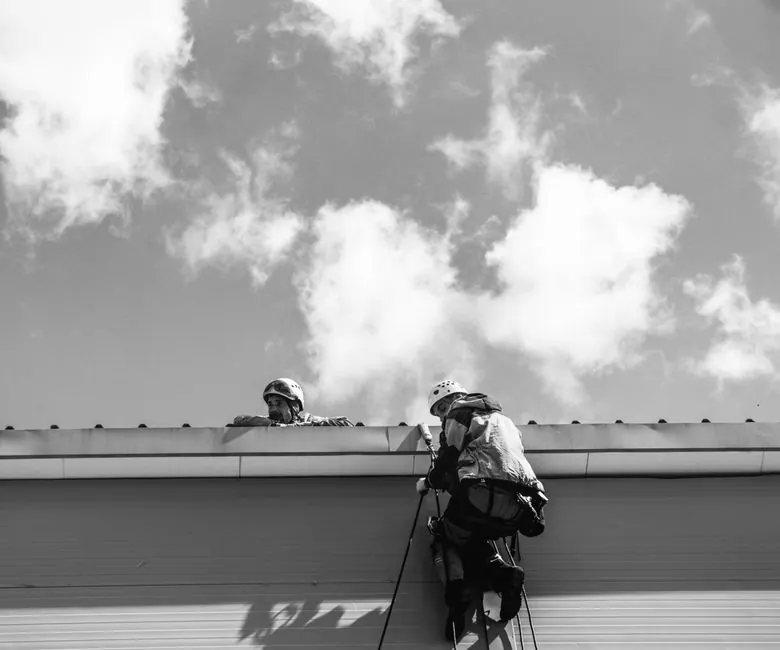
A roof leak inspection at home is essential for identifying potential water damage before it escalates. This guide will walk you through the steps to effectively inspect your roof for leaks, focusing on methods tailored for homeowners in Katy, Texas.
Roof leak inspection is a process that evaluates the integrity of your roof to identify any areas where water may penetrate. Regular inspections can save you from costly repairs and damage.
Understanding Roof Leak Inspections
Roof leak inspections are crucial for maintaining the health of your home. In Katy, where heavy rains can occur, understanding how to check for roof leaks at home can prevent extensive damage. A thorough inspection can help you spot issues like missing shingles, damaged flashing, or clogged gutters, which are common problems in the area.
What Tools Do I Need for a Roof Leak Inspection?
To conduct a roof leak inspection, you will need several tools:
- Binoculars: Use binoculars to inspect hard-to-reach areas from the ground.
- Flashlight: A flashlight helps illuminate dark spaces like attics or crawl spaces.
- Measuring tape: This tool is useful for measuring any necessary repairs.
- Safety gear: Wear a helmet and harness if you plan to climb onto the roof.
- Tarps: Use tarps to cover any exposed areas if you find leaks.
These tools will make your DIY roof leak assessment safer and more effective.
Steps for Performing a Roof Leak Inspection
Here are the steps for performing a roof leak inspection:
- Examine the Interior: Start by checking your attic or ceilings for signs of water stains or mold. Look for any discoloration or sagging areas.
- Inspect the Roof Surface: Using binoculars, look for missing shingles or any visible damage. Pay attention to areas around chimneys, vents, and skylights.
- Check Flashing: Inspect the flashing around chimneys and vents for cracks or rust. Damaged flashing is a common source of leaks.
- Evaluate Gutters: Ensure that gutters are clear of debris. Clogged gutters can cause water to back up and seep under shingles.
- Document Findings: Take notes and photographs of any issues you find for future reference or repairs.
Following these steps will help you conduct a comprehensive roof leak inspection.
Common Mistakes to Avoid
When performing a roof leak inspection, avoid these common mistakes:
- Ignoring Safety Precautions: Always prioritize safety. Use ladders properly and wear appropriate gear.
- Overlooking Gutters: Many homeowners forget to check gutters, which can lead to significant issues.
- Not Assessing the Attic: Failing to inspect the attic can result in missing signs of leaks.
- Delaying Repairs: If you find a leak, address it immediately to prevent further damage.
When to Call a Professional
If you discover significant damage during your roof leak inspection or if you're uncomfortable performing the inspection yourself, it's time to call a professional. Roof Leak Repair offers expert roof leak inspection Katy TX services that can help identify and repair leaks effectively.
Frequently Asked Questions
What tools do I need for a roof leak inspection? You need binoculars, a flashlight, measuring tape, safety gear, and tarps for covering exposed areas.
How can I tell if my roof has a leak? Look for water stains, mold in the attic, and damaged shingles or flashing during your inspection.
When should I call a professional for roof inspection? If you find significant damage or feel uncomfortable with your assessment, contact a professional for help.
What are common causes of roof leaks? Common causes include missing shingles, damaged flashing, clogged gutters, and poor installation.
How often should I inspect my roof? It's recommended to inspect your roof at least twice a year and after severe weather events.